

You might be surprised to see a team of HVAC professionals aware of this, but many homeowners think that HVAC work is too expensive these days. Back in the day, it cost a lot less to have your air conditioner fixed, your refrigerant recharged, or even your ductwork repaired. Some neighbors or friends will even tell you that they used to make those fixes on their own, especially if they were trying to save money.
So, what makes things different now? Are air conditioners really that different from how they used to be? Are professionals really more trained or experienced than they used to be? The answer to all of these questions is a resounding yes, but it’s just not that simple. Let’s talk about why hiring an HVAC company in Wheeling, IL is going to cost more than it used to–and why that might not be too bad.
Modern HVAC Technology: Why Diagnostics, Tools, and Training Cost More
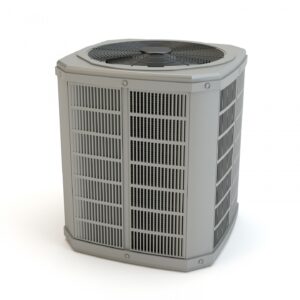
Air conditioners are not the same as they used to be, that’s for sure! The big difference in technology today vs. technology from decades ago is the complexity of the system and the materials they’re made from. Older systems were simple cooling units with Freon as the main refrigerant. They bumped and churned and produced a nominal amount of cooling while sucking up a lot of electricity.
Now, air conditioners rarely run with Freon refrigerant, and instead, they run with R-410A or Puron refrigerant, which is more environmentally friendly and less dense. Also, the components in an air conditioning system are designed to cool homes of very specific sizes and for longer periods of time.
Basically, AC units are a lot more robust, long-lasting, and efficient these days. This means that more specialized training is required for pros to provide support.
Efficiency, Safety, and Building Codes: Why Today’s HVAC Jobs Cost More
When people used to purchase air conditioners in the 80s or 90s, the main priority was staying cool. Energy efficiency was still a priority, but it wasn’t nearly as much of a priority as it is today. With the cost of electricity and the state of environmental changes, it’s vital that our air conditioners run affordably and efficiently. Cooling is still a high priority (perhaps it will always be the highest), but now it’s becoming clear that every home needs a system that will run with minimal energy consumption.
These shifting priorities are what require more precise equipment and specialized training, leading to higher HVAC costs than before.
Labor Shortages, Licensing, and Insurance: Industry Factors Driving HVAC Prices
Perhaps the biggest reason why HVAC work is expensive, is the fact that the industry is going through a pretty massive change. People used to open up their phonebooks or find technicians through word of mouth, but that’s just not good enough. Most of our communication these days goes over the internet or text message, which means that reputable HVAC companies need to be more transparent and communicative through these methods.
Technicians from reputable teams like ours need to not only be a great resource for your air conditioner, but friendly, reliable, and more communicative than they used to be–because there’s more on the line!
Frequently Asked Questions
Question: Why do HVAC repairs sometimes cost more than expected?
Answer: HVAC repairs often involve more than just replacing a single part. Costs may include diagnostic testing, specialized tools, skilled labor, and ensuring the system meets safety and code requirements. In some cases, hidden damage or worn components are discovered during service, which can increase the total repair investment.
Question: Does HVAC pricing include more than just equipment and labor?
Answer: Yes. Pricing typically reflects licensing, insurance, technician training, fuel, vehicles, warranties, and compliance with local regulations. Reputable companies also stand behind their work, which adds value and long term protection for homeowners beyond the immediate repair or installation.
Question: Are higher HVAC replacement costs tied to energy efficiency standards?
Answer: Modern systems are built to meet stricter efficiency and environmental standards. Advanced components, improved refrigerants, and enhanced technology can increase upfront costs. However, these upgrades often reduce monthly utility bills and provide better comfort over the life of the system.
Question: Why does installation quality affect overall HVAC cost?
Answer: Proper installation requires careful system sizing, duct evaluation, electrical work, and airflow balancing. Cutting corners can lead to reduced efficiency and premature failure. Investing in quality installation helps ensure the system operates safely and performs as intended for years to come.
Question: Can regular maintenance help control long term HVAC expenses?
Answer: Routine maintenance helps identify minor issues before they become major repairs. It improves efficiency, extends equipment lifespan, and reduces the risk of emergency breakdowns. While maintenance has a cost, it often prevents more expensive repairs or premature system replacement.
For more information, call Roberts Heating & Air Conditioning, Inc.