
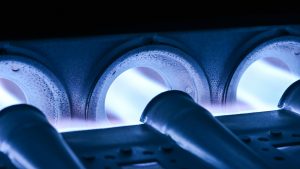
This is a simple question but the answer might not be so easy. For anyone who isn’t familiar with the gas known as “carbon monoxide,” it’s an odorless, colorless material that is a byproduct of combustion. It’s extremely dangerous to inhale and can easily lead to nausea, fatigue, memory loss, impaired motor function, and even unconsciousness. For any homeowner with a gas furnace, you should know about this material and how it works.
Don’t worry, furnaces are safe machines. We wouldn’t install gas-burning systems in homes if we didn’t believe that they could operate safely without exposing your family to carbon monoxide. However, over years of neglect and through missed or amateur furnace repair in Glenview, IL, a furnace can quickly become unsafe.
Let’s talk about how you might be able to detect if your furnace is leaking carbon monoxide, and what you can do about it.
What Is Carbon Monoxide?
In order to understand the intricacies behind carbon monoxide, we need to know a little more about it. So, it’s time to harken back to our middle school chemistry classes and learn a bit about combustion.
When materials like wood or gas are set ablaze, there are several byproducts that are produced. The most important product is heat, which is the fundamental reason behind setting something on fire to begin with. That heat is what keeps us warm and cozy! However, other byproducts can be made as well, like water vapor, smoke, and carbon monoxide.
Carbon monoxide is just one molecule of carbon mashed together with a molecule of oxygen. Both of these together create a toxic substance that can’t be inhaled by a living creature without serious side effects. So while carbon monoxide is a naturally occurring material, it’s still extremely dangerous.
The Heat Exchanger
There’s a vital component in your gas furnace that keeps you safe from carbon monoxide, and that’s the heat exchanger. This metal, clam-shaped component allows heat to transfer through it and into the air of your home while it traps the toxic materials that are created through combustion.
Since heat can travel through objects, that heat easily goes into your home’s air and makes things cozy and comfortable. Carbon monoxide, smoke, and other fumes or gases get stuck and eventually vented out through your system’s exhaust port.
Utilize Technology Like Detectors!
For an easy answer as to whether your home has carbon monoxide in it, just use a detector! Nowadays, you can even invest in smoke detectors that double up and function as carbon monoxide detectors as well. These systems are robust and can last all year without you needing to do anything to them.
Also, a smart thermostat will be able to monitor the system efficiency of your furnace. If it’s running inefficiently or having problems, you’ll probably be able to detect them from the thermostat as well.
Frequently Asked Questions
Question: How can I tell if my furnace is leaking carbon monoxide?
Answer: Carbon monoxide is colorless and odorless, so you usually cannot detect it by smell or sight. The safest way to know is by using a working carbon monoxide detector. You should also take symptoms like nausea, fatigue, memory problems, poor motor function, or faintness seriously.
Question: Why can a gas furnace produce carbon monoxide?
Answer: Carbon monoxide is a byproduct of combustion, which happens when fuel like gas is burned to create heat. A properly working furnace keeps combustion gases contained and vents them outside. Problems can develop after years of neglect, missed maintenance, or improper furnace repairs.
Question: What does the heat exchanger do in a furnace?
Answer: The heat exchanger is a key safety component inside a gas furnace. It allows heat to move into your home’s air while keeping carbon monoxide, smoke, and other combustion gases separated. Those fumes should then be safely vented out through the furnace’s exhaust system.
Question: Are furnaces safe if they can produce carbon monoxide?
Answer: Yes, gas furnaces are designed to operate safely when they are installed, maintained, and repaired correctly. The risk increases when the system is neglected or handled by inexperienced repair work. Regular professional service helps keep the furnace efficient, safe, and less likely to develop dangerous problems.
Question: What should I do if I am worried about carbon monoxide from my furnace?
Answer: Use carbon monoxide detectors in your home and respond immediately if one sounds. If you are concerned about your furnace, schedule professional furnace care rather than trying to diagnose the issue yourself. A trained technician can inspect the system, check safety components, and recommend the right next step.
Our Team Can Help
If you’re still wondering whether your home has carbon monoxide in it, or if you’re nervous about the state of your gas furnace, then don’t worry. Our team can help you with expert services.
Contact Roberts Heating & Air Conditioning, Inc. for comprehensive furnace care.